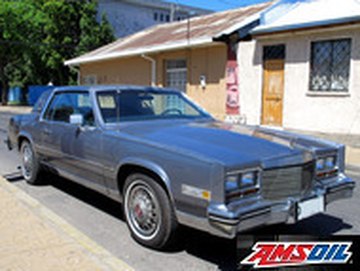
Engine Lubrication and Maintenance for the 1982 Cadillac ELDORADO 4.1L
Maintaining a classic luxury vehicle like the 1982 Cadillac ELDORADO requires a disciplined approach to routine service. For the 4.1L engine, consistent attention to lubrication is a fundamental aspect of preserving mechanical integrity and ensuring smooth operation over time. Because older engines often operate under different thermal and mechanical stresses than modern counterparts, understanding how to monitor and respond to changes in fluid condition is essential for any owner.
Monitoring Fluid Integrity and Potential Leaks
One of the most effective ways to stay ahead of maintenance needs is through regular visual inspections. For a vehicle of this age, checking for signs of fluid seepage or leakage can provide early indications of where attention might be required. It is helpful to inspect various sealing surfaces and gaskets for any evidence of moisture or residue that could suggest a slow leak.
When performing these checks, look for the following:
- Surface Residue: Look for oily buildup on engine components or near mating surfaces.
- Puddles or Spots: Check the ground beneath the vehicle after it has been parked for an extended period to identify any active drips.
- Fluid Color and Consistency: If you are checking levels, note if the lubricant appears excessively dark, gritty, or contains unexpected particulates.
If you notice new signs of seepage, it warrants a closer inspection. While a small amount of residue can sometimes be expected in older engines, any active drip or significant change in fluid appearance should be investigated to prevent more substantial issues down the road.
Observing Changes in Engine Performance and Indicators
Beyond visual inspections of the engine bay, an owner should remain attentive to how the vehicle behaves during operation. Changes in how the 4.1L engine runs can sometimes be linked to the condition of its lubrication system. It is important to remember that various symptoms can have multiple underlying causes, so a single observation should not be used to definitively diagnose a specific part failure without further testing.
Be mindful of several key indicators:
- Unusual Noises: Any new mechanical sounds during startup or while the engine is idling may indicate that lubrication levels or quality need to be addressed.
- Warning Indicators: If any dashboard lights related to engine operation illuminate, these should be treated with immediate attention.
- Exhaust Observations: Changes in the color or consistency of exhaust gases can sometimes be associated with internal engine conditions.
- Consumption Patterns: If you find yourself needing to add lubricant more frequently than usual, this change in consumption warrants a thorough inspection of the system.
By staying observant, you can transition from reactive repairs to proactive maintenance, addressing minor concerns before they escalate into significant mechanical events.
Prioritizing Long-Term Engine Care
As a vehicle ages, the strategy for maintenance often shifts from simple part replacement to a more holistic view of the engine's condition. For the 1982 Cadillac ELDORADO, establishing a clear baseline of how the vehicle is currently performing is a vital step in long-term ownership.
If you have recently acquired the vehicle or do not have access to a complete service history, your first priority should be to document its current state. This involves reviewing any available maintenance records and noting the condition of all fluids and belts (if equipped). Once you have established this baseline, you can better distinguish between routine preventive maintenance and repairs that are necessitated by active wear or age-related deterioration.
Effective prioritization involves addressing the most pressing needs first. This means focusing on active leaks, unusual noises, or any overdue service items identified during your inspections. Keeping a detailed log of every oil change, filter replacement, and observed mechanical change will serve as an invaluable tool for both current maintenance and future resale value.
Managing Aging Components and Materials
The materials used in automotive construction—such as rubber hoses, various seals, and electrical connections—are subject to changes over decades of service. For a 1982 model, it is practical to inspect these components based on their actual condition rather than relying solely on the age of the vehicle.
When conducting routine checks, consider inspecting accessible hoses for signs of cracking or softening. Similarly, electrical connectors and wiring should be checked for any evidence of fraying or corrosion that could affect the engine's operation. If your vehicle is equipped with various drive belts, inspect them for glazing, cracking, or other forms of deterioration. Addressing these aging materials through careful monitoring can help prevent unexpected interruptions in service.
Effective Maintenance Record Keeping
A well-documented history is one of the best assets an owner can maintain. For a classic Cadillac, knowing exactly when the last lubrication service was performed and what specific products were used provides clarity for future maintenance decisions. A comprehensive record should include:
- Dates and approximate mileage of all fluid and filter changes.
- A list of any parts replaced, including brands and part numbers where possible.
- Notes on any observed leaks or unusual behaviors noted during inspections.
- Details regarding any significant repairs or adjustments made to the engine or cooling system.
This level of detail allows you to identify patterns, such as how quickly a certain component is wearing or how frequently a specific fluid needs attention, enabling much more precise maintenance scheduling.
Practical Guidance for Buying Engine Oil for your 1982 Cadillac ELDORADO 4.1L
When it is time to replenish the lubrication in your engine, selecting the correct product is paramount. To ensure the best possible care for your 4.1L engine, you must match the lubricant to the specific requirements of your vehicle.
Do not rely on general automotive knowledge or assumptions based on the age of the Cadillac to select a grade. Instead, refer directly to the application-specific oil viscosity and information provided on this webpage. When you are ready to make a purchase, check the product labels carefully to ensure they meet the necessary standards for your specific engine configuration.
Depending on your current maintenance needs and the condition of your engine, you may encounter various options such as conventional oils, synthetic blends, or full synthetic formulations. Some high-mileage oil formulations also contain additives intended for use in aging engines, including seal-conditioning additives. Always prioritize the specific viscosity and application details listed in the technical data above to ensure your 1982 Cadillac ELDORADO receives the exact lubrication it requires.